Minimalist Font: Elevate Your Brand with Elegant Script
In the crowded landscape of modern typography, finding a typeface that balances personality with professionalism is a genuine challenge. Many designers and business owners struggle to locate a script font that feels personal and handmade without sacrificing legibility. Minimalist Font resolves this dilemma beautifully. It is not merely a collection of letters; it is a carefully crafted handwritten font designed to bring a distinct, dainty elegance to any project. If you have been searching for a typeface that offers a personal touch while remaining versatile enough for professional branding, this typeface warrants a closer look.
Understanding the Visual Character
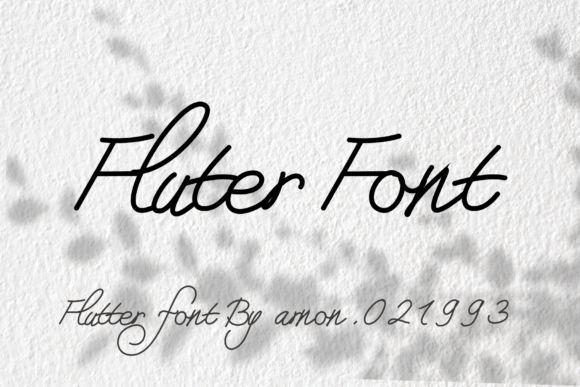
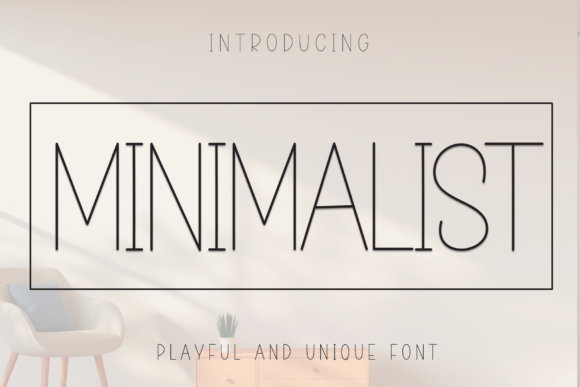
At its core, Minimalist Font is a premium font defined by its delicate strokes and fluid connections. Unlike heavy brush scripts that can overwhelm a design, this typeface features a lighter weight and a refined baseline. It embodies a "less is more" philosophy, where the beauty lies in the white space between the letters and the subtle variations in line thickness. This is a creative font that mimics the natural rhythm of handwriting, giving it an organic feel that digital-only fonts often lack.
The visual appeal of Minimalist Font lies in its daintiness. It conveys a sense of intimacy and care, making it an excellent choice for projects where you want to address the audience personally. The letterforms are distinct, ensuring that each character maintains its integrity even at smaller sizes. For designers, this means you can use it for short bursts of text—like a headline or a logo mark—without losing the message. It stands in stark contrast to rigid sans serif font families, offering a human element that resonates emotionally with viewers.
Strategic Applications: Where Minimalist Font Shines
Knowing a font looks good is one thing; knowing how to deploy it effectively is another. The versatility of Minimalist Font allows it to function across a wide array of creative and commercial contexts. However, because it is a display font rather than a body text workhorse, its application requires some strategic thinking.
Logo Design and Brand Identity
The most powerful application for this typeface is arguably logo design. A logo needs to be memorable, and the unique touch of Minimalist Font ensures that a brand stands out. It is particularly effective for lifestyle brands, wedding planners, boutique clothing lines, and wellness studios. When you use this handwritten font for a logo, you instantly communicate a brand personality that is approachable, elegant, and detail-oriented. It helps build a brand identity that feels authentic rather than corporate.
Packaging and Editorial Design
Physical products benefit immensely from thoughtful typography. In packaging design, Minimalist Font can be used for product names or taglines on labels, boxes, and bags. It adds a premium feel to the product, suggesting that the contents are just as refined as the exterior. Similarly, in editorial design, such as magazine headers or pull quotes, the font adds visual interest that breaks up the monotony of standard serif or sans serif blocks. It draws the eye and encourages the reader to pause and engage with the content.
Digital Presence: Web Design and Social Media
In the digital realm, readability is king, but personality is queen. For web design, Minimalist Font should be reserved for hero sections, headers, or call-to-action buttons where you want to inject some flair. It is not intended for long paragraphs of body copy, where a clean sans serif font would be more appropriate. On social media graphics, however, it excels. Whether you are creating Instagram quotes, Pinterest pins, or YouTube thumbnails, this font grabs attention instantly. It helps content creators and influencers establish a cohesive aesthetic that followers can recognize immediately.
The Influence on Audience Perception
Typography is psychology in visual form. The fonts you choose tell a story before the reader even processes the words. Using a typeface like Minimalist Font influences how your audience perceives your brand or project in several subtle but significant ways.
First, it establishes trust and approachability. Handwritten styles feel human. In a digital age dominated by automation and AI, a font that mimics the human hand creates a psychological bridge between the creator and the consumer. It suggests that a real person is behind the brand, which can increase engagement and loyalty.
Second, it creates a visual hierarchy. By pairing the delicate strokes of Minimalist Font with a bold, geometric sans serif font, you create a dynamic contrast. This contrast guides the viewer's eye, distinguishing between primary headlines and secondary information. This hierarchy is crucial for clarity in both print and digital media.
Finally, it enhances brand recognition. Consistency is the backbone of branding. When you use a unique script font consistently across your business cards, website, and social media, you create a visual anchor. Over time, your audience will associate the style of the font with your specific services or products, strengthening your market position.
Practical Guidance for Designers and Creators
Integrating a new typeface into your workflow requires more than just installation. To get the most out of Minimalist Font, consider these practical design observations.
- Evaluating Project Fit: Before choosing this font, ask yourself about the tone of the project. If the goal is to convey authority, stability, or technical precision (like a law firm or a tech startup), a heavy serif font might be better. However, if the goal is warmth, creativity, or luxury, Minimalist Font is an ideal candidate.
- Testing Font Pairings: This font pairs exceptionally well with clean, geometric sans serif fonts. The contrast between the organic, flowing script and the structured, rigid sans serif creates a balanced composition. Avoid pairing it with other decorative or overly complex serif fonts, as this can create visual clutter.
- Readability Considerations: Always test your typography at the intended viewing size. While the font is legible, its dainty nature means it requires sufficient contrast against the background. Ensure there is enough white space surrounding the text to let it breathe.
- Commercial Licensing: If you are using this for a small business or client work, always verify the commercial license. Using a premium font correctly ensures you are legally protected and supports the type designers who create these valuable design assets.
Final Thoughts on Typography Strategy
Choosing a typeface is a creative decision that impacts the entire lifecycle of a project. Minimalist Font offers a specific solution for those looking to add a touch of elegance and personality to their work. It is a versatile tool for entrepreneurs, marketers, and designers who understand that details matter. By using this handwritten font thoughtfully—respecting its strengths in display contexts and pairing it wisely—you can elevate your visual communication and create designs that truly come alive. It is a reminder that in good design, simplicity often speaks the loudest.