Lickerbug Font: Adding Handcrafted Charm to Your Designs
There's a certain warmth that digital text often lacks. We scroll through pages of perfectly rendered, geometric sans serif fonts and elegant serifs, but sometimes a project calls for something more personal, more human. That's where a typeface like Lickerbug Font enters the conversation. It's not just another handwritten font; it's a design asset that carries the distinct, slightly imperfect texture of pen on paper, offering a bridge between digital precision and analog charm.
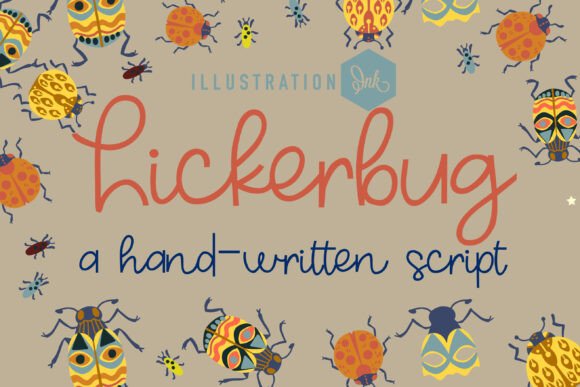
Lickerbug is a premium font crafted to emulate authentic handwriting. Its characters feature subtle variations in line weight, gentle curves, and a natural flow that avoids the overly rigid or overly whimsical traps some script fonts fall into. The overall personality is friendly, approachable, and subtly playful without being childish. This makes it a versatile creative font for designers, marketers, and entrepreneurs looking to inject personality into their work. It feels less like a font and more like a note scribbled by a friend, which can be a powerful tool for connection.
Where Lickerbug Truly Shines: Practical Applications
Understanding a font's ideal context is key to using it effectively. Lickerbug isn't a serif font for body text in a novel, nor is it a stark sans serif font for a technical manual. Its strength lies in specific, high-impact applications where its handcrafted nature can be fully appreciated.
- Branding & Identity: For brands aiming for an artisanal, boutique, or personal touch, Lickerbug can become a cornerstone of the brand identity. Think coffee roasters, craft studios, indie bookshops, or personal coaching services. It works beautifully for logos, wordmarks, and taglines, especially when paired with a clean, neutral companion typeface for longer text.
- Marketing & Social Media: In the crowded space of social media graphics, a handwritten font like Lickerbug stops the scroll. Use it for quote graphics, Instagram story headers, promotional sale announcements, or call-to-action buttons. Its informal tone feels conversational and engaging, perfect for building community.
- Print & Packaging: The font excels in packaging design for artisanal goods—think jar labels, box sleeves, or thank-you cards tucked inside an order. It also adds a personal, celebratory feel to event invitations, greeting cards, and stationery, making recipients feel valued.
- Publishing & Editorial: Within editorial design, Lickerbug can be a star for pull quotes, chapter titles, or feature headlines in magazines, blogs, and newsletters. It draws the eye and sets a particular mood, making content feel more curated and less corporate.
- Digital & Web Design: Used sparingly, it can highlight key elements on a website, such as a hero section headline, a special offer, or an email sign-up prompt. Its role here is as a display font, not for paragraphs, ensuring readability while adding visual interest.
The Strategic Impact: More Than Just Pretty Letters
Choosing a font like Lickerbug is a strategic decision that influences how your audience perceives your message. In modern typography, the typeface is a direct communicator of tone. A handwritten style bypasses formal barriers, fostering a sense of intimacy and trust. This can significantly boost audience engagement, as people are more likely to connect with content that feels personally crafted for them.
From a design assets perspective, consistency is crucial. Using Lickerbug across your touchpoints—from your website's web design accents to your printed materials—reinforces brand recognition. However, this requires discipline. Overusing any distinctive font can dilute its impact and harm readability. The key is to establish a clear visual hierarchy: use Lickerbug for headlines, logos, or short, impactful phrases, and pair it with a highly legible serif font or sans serif font for body copy. This contrast creates a professional, balanced layout.
Working with Lickerbug: A Practical Guide
Before integrating Lickerbug into your project, a thoughtful evaluation is necessary. First, consider the project's tone. Does your brand or message align with a friendly, approachable, and slightly playful personality? If your work is highly technical, formal, or corporate, a different typeface might be more appropriate.
Next, test font pairing. A great exercise is to mock up a sample layout. Place your headline or logo in Lickerbug, then set a paragraph of body text below it in a potential companion font. Common pairings include a sturdy geometric sans serif (like Montserrat or Poppins) or a classic, readable serif (like Lora or Merriweather). The goal is harmony, not competition. The companion font should support the headline, not fight for attention.
Examine the font's included styles. Does it offer alternates, ligatures, or swashes? These features can add variety and prevent repetitive letterforms, making your design feel more authentic. Also, rigorously test readability at different sizes, especially for digital use. A font that looks charming at 36px might become illegible at 14px. Ensure it renders clearly on various screens and in print.
Finally, verify the licensing. Since Lickerbug is a commercial font, ensure its license covers your intended use—whether for a client's logo design, merchandise, or a distributed digital product. Respecting licensing is not only ethical but also protects you from legal issues down the line.
In essence, Lickerbug Font is a tool for adding humanity. It’s for the designer who wants to evoke a smile, the entrepreneur building a relatable brand, and the creator seeking to make their audience feel seen. Used thoughtfully, it transforms generic text into a memorable experience, proving that sometimes, the most powerful designs are the ones that feel genuinely human.