Robot Ant Font: Adding a Handwritten Touch to Your Projects
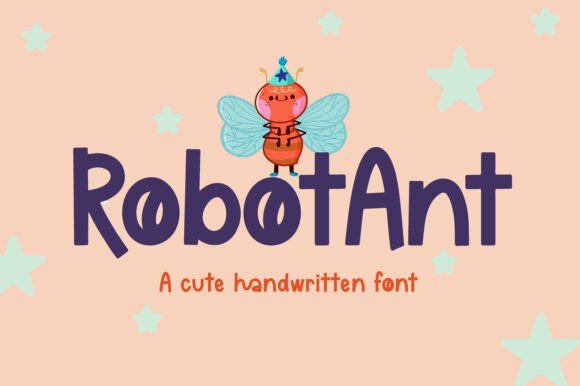
There's a specific feeling you get when a piece of design just connects. It’s often not about the most complex illustration or the most dramatic color palette, but about the details that feel human. Typography is one of those details. A typeface can set the entire mood for a project, and finding one that balances personality with versatility is a genuine win. That’s where a font like Robot Ant comes into the conversation. It’s a sweet and friendly handwritten font, but that simple description doesn’t quite capture its utility. Its natural and unique style makes it a surprisingly flexible tool for a wide range of creative work.
The Personality of Robot Ant: More Than Just Cute Letters
At its core, Robot Ant is a handwritten font. This means it carries the organic imperfections and fluid strokes of something made by hand, not a machine. But what sets it apart is its specific character. It avoids the overly whimsical or childish aesthetic that some script fonts can have. Instead, it presents a warmth that feels approachable, genuine, and modern. The letterforms have a consistent rhythm, making it readable at various sizes, which is a critical factor for any display font you plan to use in real-world applications.
Think of it as the typographic equivalent of a friendly conversation. It’s not shouting for attention with dramatic swashes, nor is it whispering so quietly it gets lost. It strikes a middle ground, making it ideal for projects where you want to inject personality without sacrificing clarity. Whether you're designing a logo, packaging, or a social media post, this creative font provides a foundation of warmth and authenticity.
Where Robot Ant Truly Shines: Practical Applications
The real test of any premium font is how well it performs in the wild. Robot Ant’s versatility means it can be a workhorse across multiple domains. Let’s break down some of its strongest use cases.
Building a Relatable Brand Identity
For entrepreneurs and small business owners, brand identity is everything. It’s the story you tell before you say a word. A typeface like Robot Ant can be instrumental in crafting a brand that feels personal and trustworthy. Imagine it used for the logo of a local bakery, a boutique coffee roaster, or a handmade skincare line. It immediately communicates care, craftsmanship, and a human touch. It pairs beautifully with a clean sans serif font for body text, creating a visual hierarchy that is both professional and inviting. This kind of thoughtful font pairing elevates a brand from looking generic to feeling curated.
Enhancing Editorial and Publishing Design
In editorial design—think magazines, blogs, and book covers—typography guides the reader’s eye and sets the tone for the content. Robot Ant works exceptionally well for pull quotes, chapter titles, or feature headlines in lifestyle, food, or DIY publications. Its friendly nature makes content feel more accessible, which is a huge advantage for bloggers and publishers looking to increase reader engagement. When used in packaging design, it can tell a product’s story right on the shelf, highlighting natural ingredients or artisanal qualities with a simple, honest aesthetic.
Digital Presence and Social Media Graphics
The digital space is crowded, and standing out requires a consistent visual voice. For web design, Robot Ant can be used selectively for headings or call-to-action buttons to draw attention without overwhelming the layout. Its true power, however, often shows up in social media graphics. The font’s handwritten style cuts through the polished, corporate feel of many online posts. It’s perfect for creating Instagram quotes, Facebook ad copy, or Pinterest pins that feel personal and relatable. As a commercial font, it provides the licensing flexibility needed for these widespread digital applications.
Working With Robot Ant: A Designer’s Practical Guide
Choosing the right font is only half the battle. Using it effectively is what creates impact. Here’s how to integrate Robot Ant into your workflow with confidence.
- Evaluate the Fit: Before you commit, consider your project’s overall tone. Robot Ant excels in contexts that value friendliness, creativity, and approachability. It might not be the best choice for a highly technical or formal legal document, but it’s a standout for everything from wedding invitations to startup branding.
- Test Font Pairings: This is non-negotiable. Never use a display font like Robot Ant for long paragraphs of body copy. Its strength is in headlines and short phrases. Pair it with a highly legible serif font for a classic, editorial feel, or with a geometric sans serif font for a modern, clean contrast. The interplay between the two will define your design’s personality.
- Check the Styles: A quality typeface often comes with more than one style. Look for variations in weight (light, regular, bold) or alternate characters. These options give you more control over visual hierarchy and can help you solve specific design problems, like making a headline stand out more or creating a subtle emphasis.
- Mind the Readability: Always test your design at the intended size and on the intended medium. A font that looks beautiful on your screen might lose detail when printed small on a business card. Conversely, a font used for a website header should remain crisp on high-resolution displays. Zoom in and out, and print a test sheet if you’re working in print.
- Understand the License: If you’re using Robot Ant for a client project or a product you sell, you need to ensure you have the correct commercial font license. This is a mark of professionalism and protects both you and the font designer. It’s a small step that prevents big headaches down the road.
Ultimately, a font is a tool. Robot Ant is a particularly useful one because it bridges the gap between unique character and broad application. It’s a design asset that can help tell a story of warmth and authenticity. The only limit, as with any good tool, is your imagination. By understanding its strengths and applying it thoughtfully, you can create designs that don’t just look good, but feel right to your audience.