Sekar Wangi Font: Crafting Authentic Brand Stories
In a digital landscape saturated with sharp edges and sterile, geometric sans serif fonts, there is a palpable hunger for something more human. We see it in the resurgence of hand-lettered logos, the texture in modern packaging, and the warmth in social media graphics. This shift isn't just aesthetic; it's psychological. Audiences crave connection, and typography is often the first handshake. This is precisely where the Sekar Wangi Font enters the conversation. It isn't merely a typeface; it is a carefully crafted visual voice designed to bridge the gap between professional polish and genuine, casual warmth. For designers, entrepreneurs, and creators, understanding how to deploy this premium font effectively can be the difference between a project that feels mass-produced and one that feels personally curated.
The Anatomy of the Softspoken Style
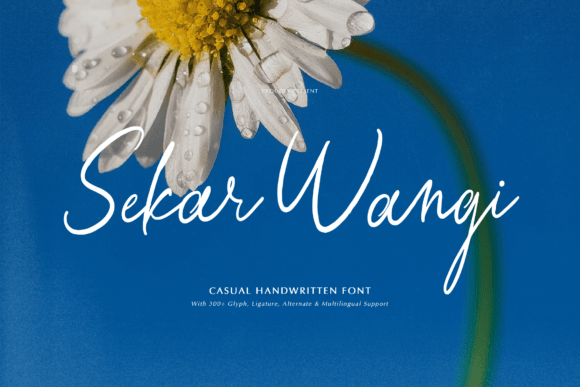
At first glance, the Sekar Wangi Font strikes a balance that is surprisingly difficult to achieve in modern typography. It is best categorized as a casual handwritten font, yet it avoids the chaotic, scratchy illegibility that plagues many script typefaces. The letterforms are characterized by soft, rounded terminals and a gentle baseline that mimics the natural flow of ink on paper. There is a distinct "daintiness" to it, but don't mistake that for fragility. The strokes maintain a consistent weight that ensures readability even at smaller sizes—a crucial factor for web design and mobile interfaces.
What sets this typeface apart is its "Softspoken" personality. It whispers rather than shouts. This makes it an exceptional choice for brands that want to convey approachability and authenticity. Unlike rigid serif fonts that command authority, or aggressive sans serif fonts that demand attention, Sekar Wangi invites the viewer in. The slight imperfections in the curves are intentional; they replicate the organic nature of handwriting, which psychologically signals to the viewer that there is a real human behind the design. This is invaluable for businesses looking to build trust and intimacy with their customer base.
Strategic Applications: Where Warmth Meets Function
The versatility of the Sekar Wangi Font extends far beyond simple document headers. Its strength lies in its ability to adapt to various mediums while retaining its core identity. In packaging design, particularly for artisanal goods, cosmetics, or homeware, this font acts as a tactile cue. Imagine a candle label or a coffee bag; the Sekar Wangi typeface suggests that the product inside was made with care, not just churned out by a machine. It transforms a physical product into a brand identity experience.
For logo design, this font shines in industries that rely on personal connection. Wedding planners, florists, boutique bakeries, and lifestyle coaches often struggle to find typography that looks professional yet personal. Sekar Wangi solves this by offering a script font aesthetic that is legible enough for a business card but elegant enough for a storefront sign. It works beautifully for:
- Editorial Design: Using it for pull quotes or chapter titles in magazines and book covers to break up the monotony of body text.
- Social Media Graphics: Creating thumb-stopping engagement on Instagram and Pinterest. The handwritten style feels native to these platforms, increasing the likelihood of user interaction.
- Stationery: Elevating invitation cards, greeting cards, and name cards with a bespoke look that feels expensive and thoughtful.
- Apparel: The font works exceptionally well on t-shirts and tote bags, where the design needs to be read quickly but retain a stylistic flair.
Mastering the Pairing and Hierarchy
One of the most common mistakes in using a creative font like Sekar Wangi is overusing it. If you set an entire paragraph in a handwritten font, you compromise readability. The true power of this typeface is unlocked when used for display purposes—headers, sub-headers, and accent text. To build a strong visual hierarchy, you must pair it with a complementary partner.
Because Sekar Wangi is organic and flowing, it pairs best with clean, geometric sans serif fonts. Think of fonts like Montserrat, Lato, or Open Sans for your body copy. The contrast between the structured, grid-based sans serif and the fluid Sekar Wangi creates a dynamic tension that is pleasing to the eye. This contrast ensures that your brand identity feels both grounded and expressive. Avoid pairing it with other decorative fonts or overly ornate serifs, as this will create visual clutter and confuse the reader's eye.
Practical Evaluation for Commercial Use
When integrating the Sekar Wangi Font into your design assets library, a practical evaluation is necessary. First, consider the licensing. Since this is a premium font, it typically comes with specific terms for commercial use. Ensure your license covers your intended output, whether that is digital ads, physical merchandise, or software embedding. Using high-quality, properly licensed fonts signals professionalism and protects your business legally.
Next, conduct a "squint test" at various sizes. Because of its soft lines, you need to ensure the font retains its shape when printed small on a label or viewed on a low-resolution screen. Test the kerning (the space between letters) as well. Handwritten fonts often require manual kerning adjustments to ensure letters don't collide awkwardly, especially in specific letter combinations like "oo" or "bo."
Finally, look at the included glyphs and alternates. A high-quality script font often includes different versions of lowercase letters to maintain the natural, handwritten illusion. If every "t" looks exactly the same, the text can look robotic. Using the alternates provided allows you to mix and match, ensuring that your typography looks truly hand-lettered rather than typed. By treating Sekar Wangi Font not just as a file, but as a strategic tool for emotional communication, you can significantly elevate the quality and resonance of your creative projects.