Jelly Bean Font: A Fresh Take on Handwritten Style
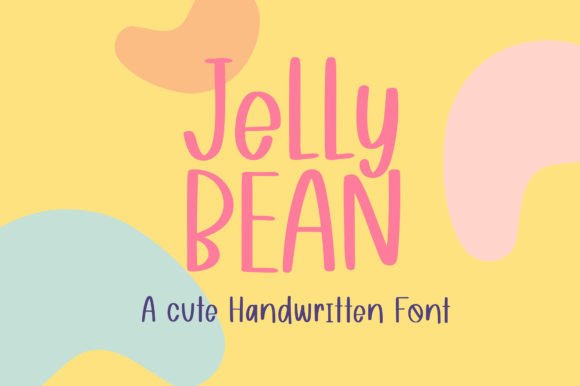
In the crowded landscape of modern typography, finding a typeface that strikes a balance between casual charm and professional legibility can be a challenge. We often see fonts that are too messy to read at small sizes, or so rigid they lose all personality. This is where the Jelly Bean Font enters the conversation. It is not merely a collection of characters; it is a design asset that brings a specific "vibe" to your projects. As a premium font crafted for versatility, it mimics the natural flow of a ballpoint pen on notebook paper, offering a handwritten font experience that feels authentic rather than forced.
The defining characteristic of the Jelly Bean Font is its "adorable, neat" aesthetic. Unlike script fonts that require complex ligatures or serif fonts that demand formal spacing, this typeface is built for the screen-first world. The letterforms are distinct, avoiding the cursive connections that often trip up readers in digital environments. This makes it an exceptional display font for headers, but its true strength lies in its ability to maintain readability in longer blocks of text—a rarity in the world of creative fonts. Whether you are a graphic designer working on a new branding package or a student organizing digital notes, the visual personality of this font adds a layer of warmth and approachability to the content.
Practical Applications: From Branding to Study Notes
When we talk about font pairing and application, the Jelly Bean Font serves as a versatile player. For small business owners and entrepreneurs, establishing a brand identity that feels human is crucial. A sans serif font can sometimes feel too corporate, while a standard script font might look too bridal or formal. The Jelly Bean Font occupies a "sweet spot." It works beautifully for a coffee shop menu, a boutique clothing tag, or a bakery’s social media graphics. It conveys a sense of handmade care, which is a powerful psychological trigger in marketing and packaging design. It tells the customer that there is a real person behind the brand.
Beyond commercial use, this handwritten font has found a loyal following among content creators, bloggers, and hobbyists. Specifically, in the realm of digital organization, the Jelly Bean Font is a game-changer. If you use apps like GoodNotes or Notability for digital study notes, you know that the default system fonts can feel sterile. By integrating a typeface like Jelly Bean, you transform a mundane to-do list into an invigorating piece of collage notes. It streamlines the note-taking process by making the visual experience enjoyable. For publishers and marketers, this translates to better engagement on platforms like Instagram and Pinterest, where visual hierarchy and aesthetics dictate whether a user stops scrolling.
Influence on Readability and Visual Hierarchy
A common misconception in typography is that decorative fonts sacrifice function for form. While this is true for many ornate typefaces, the Jelly Bean Font is designed with readability as a priority. In web design and editorial design, visual hierarchy is essential. You need the reader's eye to move naturally from the headline to the sub-header and finally to the body copy. Because Jelly Bean has a distinct, neat structure, it allows for a strong contrast when paired with a clean sans serif font for body text.
For example, imagine a landing page for a creative workshop. Using a heavy, blocky font for the headline might convey importance, but it lacks invitation. Using the Jelly Bean Font for the header immediately lowers the barrier to entry. It suggests the content is accessible and friendly. This psychological influence on audience engagement is subtle but measurable. When a typeface feels approachable, users are more likely to trust the content. However, it is vital to test the font at various sizes. While it excels as a display font, using it for 8-point legal disclaimers on a website would likely hinder legibility. Always prioritize the user experience over stylistic preference.
Integrating Jelly Bean into Your Design Workflow
For designers and creatives looking to integrate this asset into their toolkit, the process should begin with evaluation. Before downloading, consider the specific needs of your project. Is the goal to evoke nostalgia? To appear modern and trendy? Or simply to improve the aesthetics of internal documentation? The Jelly Bean Font fits a specific aesthetic niche—playful, modern, and organic. If your brand identity is strictly corporate finance or high-end luxury, this font might be better suited for internal projects or specific campaign elements rather than your primary logo.
Once you have decided to proceed, pay close attention to the commercial font licensing. Many premium fonts come with different tiers of licensing. A license for a personal blog is different from one for a global product launch or packaging design. Ensure you have the correct permissions to avoid legal friction later. Furthermore, explore the full character set. High-quality fonts often include alternates, ligatures, and extended language support. Utilizing these features can elevate your design from "standard" to "custom." By treating the Jelly Bean Font not just as text, but as a design element that requires thoughtful implementation, you can significantly enhance the professionalism and recognition of your creative work.