Wonder Colorful Font: A Handwritten Typeface with Soul
There’s a certain magic in a design that feels human. In a world of clean, corporate sans serifs and perfectly spaced serifs, the Wonder Colorful Font arrives like a breath of fresh air. This isn’t just another script font; it’s a personality. It’s the warm, friendly handwriting of a creative friend, full of organic charm and a distinctly playful spirit. If you’re looking to inject genuine warmth and approachability into a project, this handwritten typeface is a tool worth exploring.
Understanding Its Unique Personality
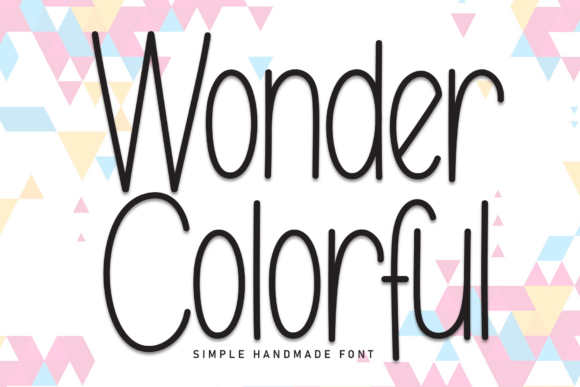
At its core, the Wonder Colorful Font is a premium display font designed for impact, not body copy. Its visual characteristics are defined by a consistent, sweet baseline with gentle, natural variations in letterforms that mimic real pen strokes. The strokes have a moderate weight, making it feel substantial without being heavy. It avoids the extremes of overly whimsical or sloppy scripts, landing in a sweet spot that feels both fun and readable. The overall appeal lies in its ability to convey friendliness, creativity, and authenticity instantly. It doesn’t take itself too seriously, which is its greatest strength for projects aiming to connect on a personal level.
This typeface excels where you need to break monotony. Imagine it on a wedding invitation, where its sweet elegance sets a romantic yet relaxed tone. Picture it on a child’s birthday card, where its playful bounce radiates joy. For small business owners, it can transform a standard logo into a memorable mark that feels approachable and indie. It’s a creative font that tells a story before a single word is read, making it a valuable asset for brand identity work that targets a younger, more lifestyle-oriented audience.
Strategic Applications: Where Wonder Truly Shines
Knowing where to deploy this handwritten font is key to leveraging its strengths. Its sweet spot is in editorial design for headings and pull quotes, adding a personal touch to magazine layouts or blog graphics. In packaging design, particularly for artisanal goods, cosmetics, or boutique food products, it communicates handcrafted quality. For social media graphics, it cuts through the noise of sterile corporate posts, making announcements and quotes feel more engaging and shareable.
Consider these practical applications:
- Logo Design & Branding: Use it for a bakery, a boutique consultancy, or a creative studio’s logotype to project approachability.
- Web Design: Perfect for hero section headings or call-to-action buttons on sites for artists, photographers, or wedding planners.
- Marketing Collateral: Ideal for flyers, thank-you cards, and email headers where a personal touch increases engagement.
- Publishing: Excellent for chapter titles in lifestyle books, cookbook headings, or children’s book covers.
However, context is everything. Avoid using Wonder Colorful Font for long paragraphs of text, technical documentation, or ultra-professional industries like law or finance where a more neutral sans serif font or serif font conveys the necessary authority. Its power is in accents and headlines, not in sustaining readability for dense information.
Making It Work: Practical Design Guidance
Integrating any creative font into a design system requires thoughtful execution. First, evaluate the project fit. Ask yourself: does the brand or project voice align with a sweet, friendly, and playful aesthetic? If the answer is yes, proceed.
Next, master font pairing. The Wonder Colorful Font is a standout display font, so it pairs best with clean, simple companions. A classic pairing is with a geometric sans serif font like Montserrat or Poppins for body text. This contrast creates a clear visual hierarchy—the handwritten font grabs attention, while the sans serif ensures readability. Avoid pairing it with other ornate scripts or decorative fonts, which can create visual clutter.
Always test readability at the intended size and in the final context. Check kerning and leading, especially for all-caps settings. Review the font’s included styles; many premium fonts offer alternates, ligatures, or stylistic sets that can add further uniqueness. For commercial projects, confirm the commercial font license covers your intended use, whether it’s for client work, merchandise, or digital products.
Finally, use it with consistency. Define in your style guide where the font should appear—perhaps only in H1 headings or specific campaign slogans. This disciplined use ensures it enhances your brand identity without becoming overwhelming. The goal is to let the Wonder Colorful Font be the spark of personality that makes your work memorable, all while maintaining the professionalism your audience expects.