Expression Font: A Designer's Guide to This Captivating Typeface
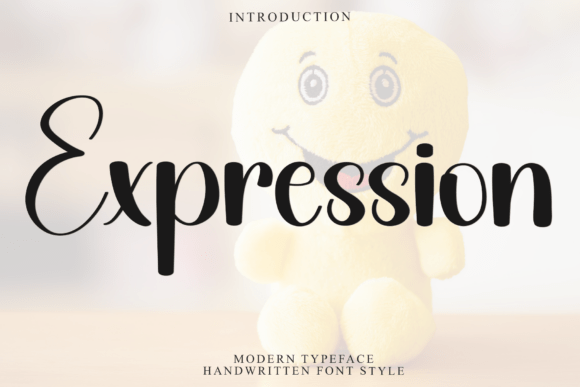
When you first encounter Expression Font, it’s hard not to pause. This isn’t just another typeface; it’s a piece of visual personality. Designed with a soft, almost handcrafted touch, Expression Font carries a unique character in its strokes. It feels both intentional and organic, blending a sense of modern elegance with a distinctive, approachable warmth. For designers, marketers, and creators, understanding a font like this is about more than aesthetics—it’s about knowing how to leverage its specific voice to connect with an audience and elevate a project’s narrative.
The Visual Soul of Expression Font
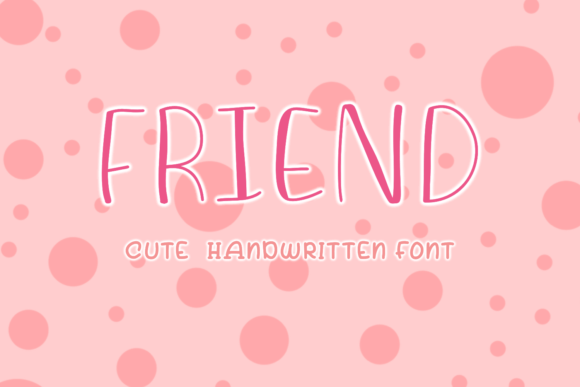
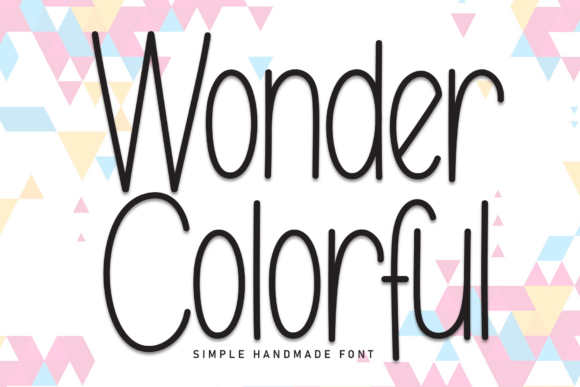
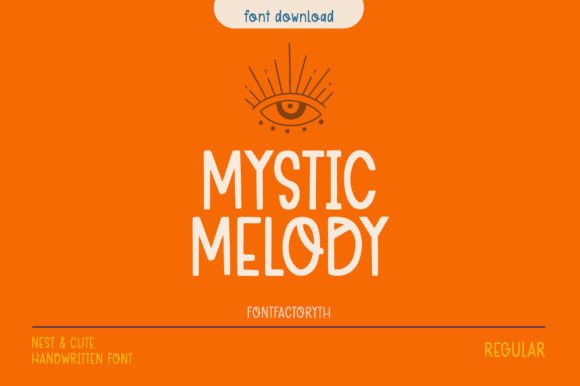
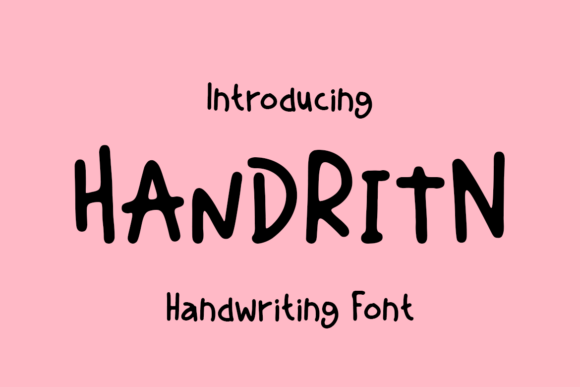
At its core, Expression Font is a display font, meaning it’s crafted to make a statement, particularly in headlines and large-scale applications. Its visual personality is defined by its distinctive strokes—subtle variations in line weight that give it a rhythmic, almost calligraphic flow without veering into a traditional script font. Think of it as a bridge between the clarity of a sans serif font and the decorative flair of a handwritten font. The letterforms are balanced, ensuring legibility even with their artistic flair. This combination makes it a versatile creative font that feels meaningful and special, designed to stand out in a crowded visual landscape.
Where Expression Font Truly Shines
The real power of a premium font like Expression is its application. It’s not a one-size-fits-all workhorse, but rather a strategic tool for specific moments. In brand identity work, it can become the cornerstone of a logo for a boutique brand, a lifestyle coach, a floral studio, or a artisanal food company. It communicates creativity, care, and a personal touch. For editorial design, such as magazine covers, book titles, or feature headers, it injects immediate visual interest and sets a sophisticated, contemporary tone.
In the digital space, Expression Font excels in web design for hero sections, key call-to-action headlines, and impactful quotes. It can transform social media graphics from generic to memorable, helping posts stand out in a feed. For physical products, it’s a gem in packaging design, especially for cosmetics, gourmet goods, or artisan crafts where shelf appeal is critical. Even for personal projects like wedding invitations, greeting cards, or custom stationery, this font adds a layer of refined beauty that generic system fonts simply cannot match.
Making Strategic Choices with a Creative Font
Choosing a font is a strategic decision that influences visual hierarchy, readability, and ultimately, brand perception. With Expression Font, the key is to use it with intention. Its strength lies in large, impactful headlines and short bursts of text where its character can be fully appreciated. Using it for long paragraphs of body copy would likely compromise readability. This is where font pairing becomes essential. A proven approach is to pair Expression with a clean, neutral sans serif font or a classic serif font for body text. This contrast creates a clear hierarchy, allowing the display font to command attention while the supporting type ensures information is easily digestible.
Practical Evaluation and Implementation
Before committing to any commercial font, including Expression, run a practical evaluation. First, test it within the context of your project. Does its personality align with the brand’s voice? A whimsical bakery and a luxury skincare line will use the same font in very different ways. Next, scrutinize the font family details. Check what styles are included—does it have the weights (light, regular, bold) or italics you need? Review the character set for essential punctuation and language support.
Always test for readability at various sizes, especially if considering it for subheadings or shorter web elements. Finally, and most importantly, verify the licensing. Ensure the license covers your intended use, whether it’s for a single client project, unlimited commercial use across products, or digital distribution. A clear license protects your work and your client’s investment. By treating a font like Expression not just as a design asset but as a strategic component of your visual communication, you unlock its full potential to enhance engagement, build recognition, and add professional polish to any creative endeavor.